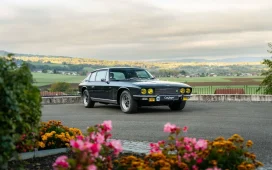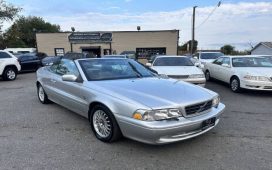
Buying a classic car is as much an emotional decision as it is a financial one. From the moment you imagine the sound of the engine to the pride of showing it off at a car meet, the dream of owning a vintage beauty is powerful. But turning that dream into reality — especially for a first-time buyer — requires more than just finding the right car. It also means securing the right financing.
Here are some practical tips to help you navigate the process and make your first classic car purchase both exciting and financially sound.
1. Understand the True Cost of Ownership
Classic cars are different from modern vehicles in both value and upkeep. Beyond the purchase price, you’ll need to budget for:
- Maintenance and Repairs — Parts for older models can be rare or expensive, and labor often requires specialized mechanics.
- Storage — A garage or climate-controlled facility is ideal for protecting the car’s condition.
- Insurance — Specialty insurance policies for classic cars are typically based on agreed value, which can differ from standard auto coverage.
Knowing these costs up front will help you determine how much you can comfortably afford for the car itself and your financing plan.
2. Research Your Desired Model
Before you commit to any financing, get familiar with the specific make and model you’re interested in. Look into:
- Market Value — Check auction results, online listings, and classic car price guides.
- Appreciation Trends — Some classics steadily increase in value, while others may plateau.
- Rarity and Demand — Limited-production models or historically significant cars tend to hold value better.
Understanding the market will not only help you secure the right price but also ensure your financing terms align with the car’s long-term value potential.
3. Determine Your Budget Before Shopping
It’s easy to get swept up in the excitement of finding “the one,” but you should have a clear budget before you start shopping. Consider:
- How much you can put down up front.
- The monthly payment you’re comfortable with.
- The total loan amount you can realistically manage alongside other expenses.
Setting financial limits ahead of time will keep you focused and prevent you from overspending when the perfect car comes along.
4. Choose the Right Lender
Classic car financing differs from standard auto loans. Not all lenders understand the nuances of vintage vehicles, so finding one that specializes in this area can make a big difference.
Specialized lenders often:
- Offer longer loan terms for higher-value vehicles.
- Understand agreed-value appraisals.
- Provide more flexibility in structuring payments.
Working with an experienced lender ensures your financing process is smoother and better suited to the unique nature of a classic car purchase.
5. Consider Loan Terms Carefully
Longer loan terms can reduce monthly payments but increase total interest paid over time. Shorter terms will save on interest but require higher monthly payments.
When evaluating terms:
- Balance affordability with minimizing interest.
- Avoid extending the loan so far that you’re still paying it off when it’s time to sell.
- Match the loan term to how long you plan to keep the car.
A tailored plan for classic car finance will help you enjoy your new ride without unnecessary financial strain.
6. Get a Professional Appraisal
A professional appraisal serves multiple purposes. It:
- Ensures you’re paying a fair price for the car.
- Helps secure the correct loan amount from the lender.
- Provides documentation for insurance purposes.
Lenders specializing in classic cars often require an appraisal before approving financing. Even if it’s not mandatory, it’s a smart move to protect your investment.
7. Don’t Skip the Pre-Purchase Inspection
Even the most beautiful classic car can hide costly mechanical or structural issues. Hire a mechanic experienced in your chosen model to conduct a thorough inspection.
They’ll look for:
- Rust or corrosion in key structural areas.
- Engine and transmission condition.
- Signs of poor restoration work.
This step may save you from unexpected repair bills and will give you more confidence in your financing decision.
8. Plan for Early Payoff if Possible
Some buyers choose to make additional payments toward the loan principal when they have extra cash. If your financing allows early payoff without penalties, this can reduce interest costs and help you build equity in the car faster.
Even modest extra payments over time can make a significant difference in how quickly you own your classic outright.
9. Protect Your Investment After Purchase
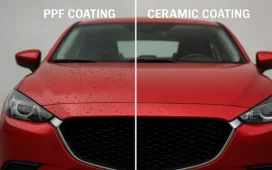
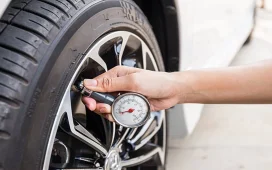
Once the deal is done, keep your car in top condition to preserve its value. That means regular maintenance, careful storage, and proper detailing. If you plan to show the car or drive it regularly, stay on top of upkeep to avoid depreciation from neglect.
Financing your first classic car is a thrilling step in your automotive journey. By understanding ownership costs, researching your dream model, working with a knowledgeable lender, and protecting your investment, you’ll set yourself up for a smooth buying experience.
With the right approach, your classic car won’t just be a passion project — it will be a well-managed asset you can enjoy for years to come.