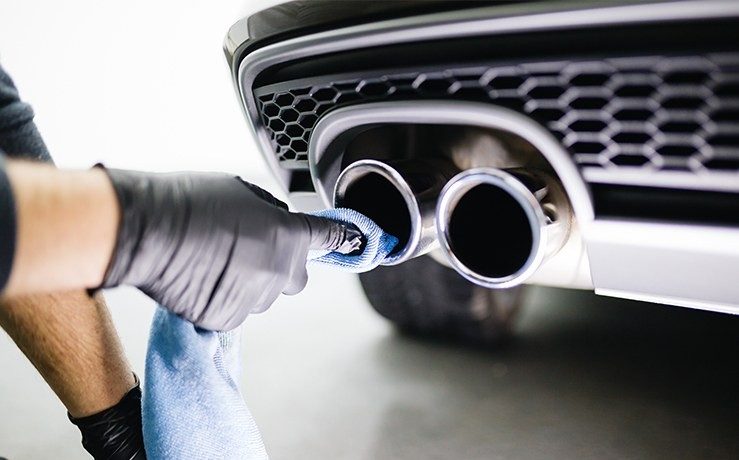
The muffler is primarily designed to reduce noise from your car’s exhaust gases, but it plays a crucial role in the overall function of the exhaust system, which affects vehicle performance. It helps manage exhaust flow by redirecting gases through chambers that slow them down and reduce noise. While it might seem like a small part of the system, any damage to the muffler can impact the way the exhaust gases flow, potentially leading to sluggish acceleration and poor throttle response.
Muffler Damage and Restricted Exhaust Flow
When a muffler is damaged or clogged, it can cause a restriction in the flow of exhaust gases. This restriction creates a buildup of pressure within the exhaust system, known as backpressure. While some backpressure is necessary for efficient engine operation, excessive backpressure can make it harder for the engine to expel exhaust gases. This leads to a decrease in engine performance, including slower acceleration. The engine struggles to push out the exhaust, which results in a lag when you press the throttle and reduced pickup when you need it most. This is where choosing the Auto Repair in San Antonio, TX based services are concerned.
The Effect on Engine Efficiency and Throttle Response
The damage to the muffler can also directly affect the engine’s efficiency. When the exhaust system isn’t working properly, the engine may have to work harder to expel gases, which can lead to less fuel being burned in the combustion chamber. This inefficient combustion leads to a decrease in throttle response and makes it harder to achieve smooth acceleration. If the engine is underperforming due to a damaged muffler, you may notice that the vehicle feels sluggish when you try to pick up speed, especially from a stop.
Muffler Leaks and Reduced Power Output
A muffler that has developed a leak can have similar effects on performance. Leaks cause a disruption in the exhaust flow, leading to uneven backpressure levels throughout the system. This can result in a loss of power as the engine’s exhaust gases aren’t being directed as efficiently as they should be. When there is a loss of pressure, the engine doesn’t perform optimally, and you may experience hesitation or a lack of responsiveness when accelerating.
Maintaining Muffler Health for Optimal Performance
To avoid the negative effects of muffler damage on acceleration and throttle response, it’s important to perform regular maintenance and inspections of your exhaust system. If you notice a decrease in power or sluggishness when accelerating, it could be a sign that your muffler or another component of the exhaust system is compromised. Addressing muffler damage early on can prevent further issues, such as engine strain or additional wear on the exhaust system. Ensuring your muffler remains in good condition will help your car perform at its best, delivering better throttle response and smoother acceleration.
In conclusion, muffler damage can have a significant impact on your vehicle’s acceleration and throttle response. Whether it’s due to restricted exhaust flow, leaks, or other forms of damage, a malfunctioning muffler creates inefficiencies that make your car feel sluggish.