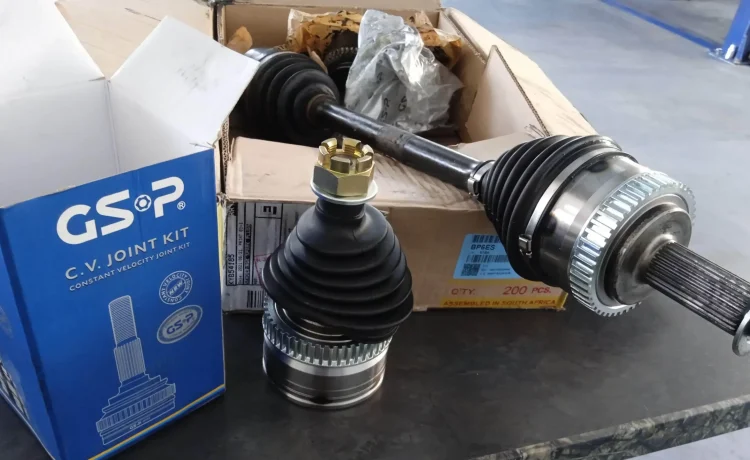
Constant velocity joints maintain smooth power transfer to wheels. Internal components allow shafts to rotate at constant speed. CV joint failure can cause vibration, noise, or loss of power. Understanding wear mechanics helps prevent sudden driveline issues effectively. CV joint deterioration begins internally before external symptoms appear. Early detection and maintenance extend joint life and vehicle reliability.
Internal Wear Patterns
CV joints wear due to friction and lack of lubrication over time. Bearings or balls develop pitting or flattening under repeated stress. Grooves appear in the race or housing surfaces gradually. Protective grease may degrade allowing increased metal-to-metal contact consistently. Joint movement becomes rough and less smooth as wear progresses. Internal wear often precedes visible damage on the CV joint. Early recognition by Auto Repair in Hudson, IA prevents vibration and catastrophic joint failure reliably.
Boot Damage and Contamination
Contamination accelerates internal wear by creating abrasive conditions inside. Grease escapes from the boot reducing lubrication effectiveness significantly. Bearings and races may corrode or seize without proper lubrication. Joint movement becomes stiff or uneven due to contamination effects. Boot failure is often the first sign. Addressing boot damage prevents accelerated wear and extends CV joint life.
Symptoms of CV Joint Failure
Worn CV joints produce clicking or popping during vehicle turns. Vibrations increase under acceleration or while cornering at higher speeds. Irregular rotation may cause shuddering or slight loss of traction. Noise often intensifies gradually as wear progresses over time. Early detection relies on careful listening and observation during driving. Recognizing symptoms early avoids complete driveline failure. Timely attention ensures smooth torque transfer and safer operation.
Inspection and Diagnosis
Technicians inspect CV joints visually and through manual manipulation carefully. Boots are checked for cracks, tears, or missing clamps thoroughly. Joints are rotated to detect binding, looseness, or rough movement. Grease condition and distribution are verified during inspection consistently. Wear is assessed by comparing movement and resistance against specifications. Proper inspection prevents failure and expensive repairs reliably. Accurate diagnosis allows early maintenance and preserves driveline performance effectively.
Maintenance and Replacement
Lubrication is essential to prevent internal CV joint wear efficiently. Damaged or contaminated boots require immediate replacement to protect the joint. Replacement restores smooth rotation, power transfer, and eliminates vibration or noise. Technicians follow proper torque and alignment procedures during installation. Road testing shows that the CV joint works well and doesn’t move in an odd way. Timely maintenance stops big problems and expensive repairs from happening. Regular checks and lubrication keep the CV joint working well for a long time.
Conclusion
CV joint failure begins with internal wear and lubrication loss. Boot damage and contamination accelerate deterioration and reduce driveline reliability significantly. Early detection avoids secondary damage to drive shafts and surrounding components. Understanding CV joint wear extends vehicle driveline longevity effectively. Regular attention and care ensure smooth torque transfer and safe operation consistently.