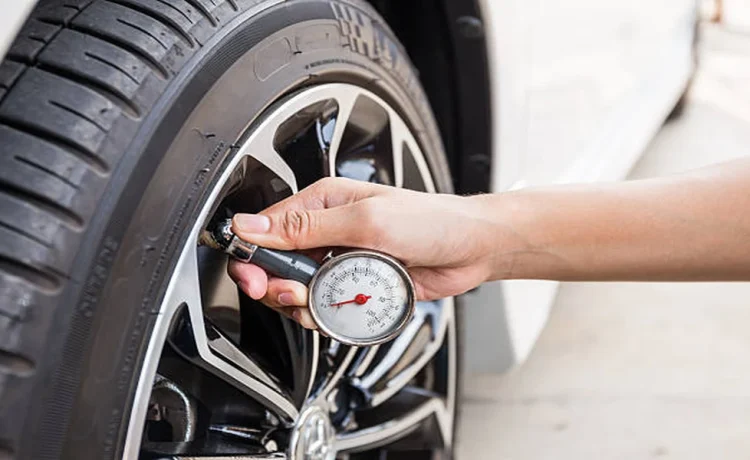
Proper tire pressure is one of the most important aspects of vehicle maintenance. While it may seem like a small detail, maintaining the correct tire pressure can significantly improve safety, fuel efficiency, ride comfort, and tire lifespan. Neglecting tire pressure can lead to uneven wear, reduced handling performance, and an increased risk of tire failure. By developing simple maintenance habits, drivers can protect their investment and enjoy a safer driving experience.
Why Proper Tire Pressure Matters
Tires are the only part of a vehicle that directly contacts the road surface. Their performance depends heavily on maintaining the correct amount of air pressure.
When tires are underinflated, they create more rolling resistance, causing the engine to work harder. This can lead to increased fuel consumption and excessive heat buildup within the tire. Overinflated tires, on the other hand, reduce the amount of tread touching the road, which may decrease traction and cause uneven wear.
Maintaining the recommended pressure helps ensure optimal vehicle handling, braking performance, and overall stability.
Safety Benefits of Correct Tire Pressure
Properly inflated tires contribute to safer driving conditions in several ways:
- Improved steering responsiveness
- Better traction on wet and dry roads
- Enhanced braking performance
- Reduced risk of blowouts
- More stable handling during turns
Drivers who regularly monitor tire pressure are less likely to encounter unexpected tire-related issues while traveling.
How Weather Affects Tire Pressure
Temperature changes can have a noticeable impact on tire pressure. Cold weather typically causes pressure to decrease, while warmer temperatures can increase pressure levels.
Because of these natural fluctuations, it is important to check tire pressure regularly throughout the year. Seasonal changes often create conditions where tires require adjustments to maintain their optimal performance.
Best Practices for Tire Pressure Maintenance
Establishing a routine inspection schedule can help prevent problems before they develop. Consider the following habits:
- Check tire pressure when tires are cool
- Inspect tires regularly for visible damage
- Follow the vehicle manufacturer’s recommended pressure guidelines
- Pay attention to dashboard warning indicators
- Include the spare tire in routine inspections
Consistent monitoring allows drivers to identify minor issues before they become costly repairs.
Extending Tire Life Through Proper Care
Correct tire pressure promotes even tread wear, helping tires last longer and perform more effectively throughout their service life. Tires that maintain consistent contact with the road surface wear more uniformly, providing better traction and reducing the likelihood of premature replacement.
Investing a small amount of time in tire pressure maintenance can lead to substantial long-term benefits. Improved safety, enhanced fuel efficiency, better vehicle performance, and extended tire lifespan all result from this simple yet essential aspect of automotive care. Regular attention to tire pressure helps ensure a smoother, safer, and more economical driving experience.
This post was written by a professional at Sunshine Auto Repair. Need auto maintenance in El Cajon, CA? Reliable auto repair near you, or the best auto mechanic near you in El Cajon, CA? For over 20 years, Sunshine Auto Repair, our family-run shop, has provided honest service, fair prices, and expert care for cars, SUVs, trucks, and commercial vehicles.