Rain and excessive humidity during the monsoon season might make it difficult for your car’s taillights to function properly. Over time, prolonged exposure to moisture, wet environments, and water can seriously harm taillight components. It’s crucial to exercise extra caution during the rainy season to guarantee that your taillights continue to operate effectively. Maintaining vehicle safety and visibility on the road can be achieved by being aware of how rain and humidity impact taillights and learning how to protect them.
Water Damage and Taillight Leaks
Excessive rain can cause water to leak into the taillight assembly, damaging the electrical parts and impairing the lights’ functionality. Moisture can enter the housing of taillights through cracks or improper sealing, resulting in corrosion, fogging, or even electrical problems. Water accumulation inside the taillight over time may lead to bulb short circuits, decreasing the taillight’s overall efficacy. Preventing water-related damage requires routinely checking the taillight housing for fractures and making sure the seals are intact.
Increased Humidity-Related Condensation
No matter how much rain falls, high humidity frequently causes condensation to form inside taillight lenses. Moisture builds up as a result of interactions between the warmer air inside the house and the colder outside environment. The ensuing hazy or foggy look drastically reduces the light’s clarity and brightness, impairing other drivers’ visibility and perhaps affecting safety. Long-term exposure to moisture can also hasten the plastic lens’s deterioration, reducing its longevity and compromising its structural integrity. Therefore, it is essential to take preventative steps like making sure the taillights are properly sealed and replacing any damaged parts as soon as possible in order to avoid moisture build-up and preserve their best possible operation and safety. Clear taillight performance requires routine maintenance and inspection.
Upkeep and Cleaning During the Monsoon
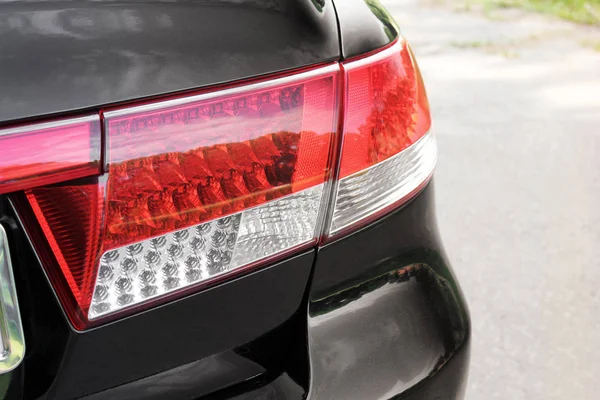
Mud, road salt, and dirt can build up on the taillights during the monsoon season, further obstructing the lights and decreasing visibility. To keep the taillights operating well, dirt and debris must be removed on a regular basis. To effectively clean the lens and keep the taillights visible, use a soft cloth and a mild soap solution to help avoid scratches. During the rainy season, routinely cleaning your taillights also helps avoid dirt accumulation that can cause moisture to become trapped inside the housing. For thorough inspection and cleaning, consider visiting an Auto Repair in Laurel, MD to ensure your vehicle remains safe and visible during rainy weather.
Conclusion
During the monsoon season, rain and humidity can have a big effect on how well your car’s taillights work and how long they last. To guarantee optimum performance, it is essential to shield them from dirt accumulation, humidity, and water damage. Your taillights’ integrity will be preserved and problems that may occur during rainy weather will be avoided with routine examination, cleaning, and maintenance.