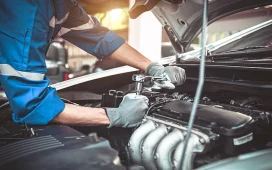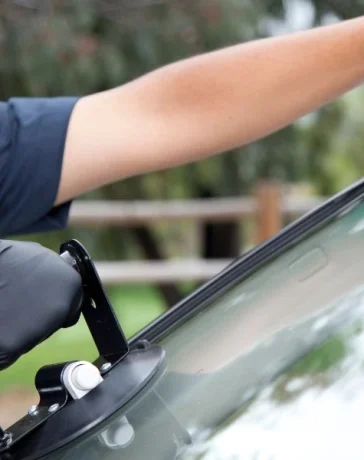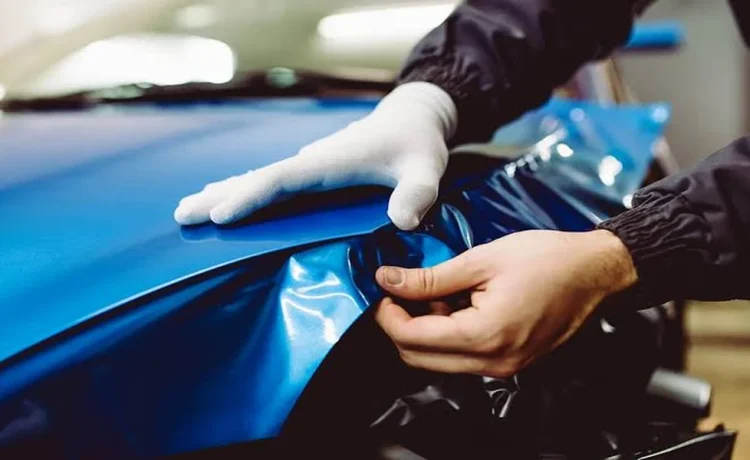
Professional cleaning of an older car should begin with a conversation about what you want to preserve. An original surface with visible wear may matter more to you than a uniform new appearance. Identify those priorities, disclose uncertain repair history and agree on a cautious scope with a suitably experienced professional. “Make it like new” is not a useful instruction when newness is not the goal.
Decide which signs of age belong to the car
An older vehicle can carry several kinds of visible history. There may be ordinary dirt, a worn contact point, a faded panel or a repaired area that never quite matched. Owners do not always want the same response to each. Walk around the car and distinguish the condition you would like improved from the details you regard as part of its identity. You are expressing priorities, not diagnosing materials.
A well-used steering wheel, for example, may feel familiar precisely because it does not resemble a new replacement. A seat can have creases the owner accepts while still needing careful cleaning. Explain that difference to the person assessing the car. Without it, a broad request for restoration may lead the conversation toward work you neither need nor want.
Keep sentimental and financial arguments separate. You do not need to prove that retaining a particular surface increases the vehicle’s value to prefer it. Equally, the fact that a part is original does not mean every condition concern should be ignored. If damage requires attention from an appropriate specialist, seek that advice. Preservation is a considered choice about the car, not a reason to dismiss problems outside cosmetic care.
Unknown repairs change the conversation
When you read the detailing service description from SRS Tints in Vaughan, its interior and exterior categories can help identify the sort of cleaning being considered. An older vehicle still needs an individual discussion about material suitability and scope. Do not assume a general detailing menu establishes specialist restoration expertise. Ask whether the provider is comfortable assessing the particular surfaces and history of your car.
Bring records if you have them, including repainting, upholstery repairs and earlier treatments. An old invoice may explain why two neighbouring areas behave or look differently. If the records are incomplete, describe what you know and leave the rest uncertain. Guessing that a panel is factory paint because it looks familiar can be less helpful than admitting that work may have occurred before your ownership.
Point out fragile trim, loose fittings and anything already damaged. A detailer should not first discover a known issue while working around it. Agree on areas to leave alone and on how you will be contacted if another concern appears. The goal is to make the appointment predictable without expecting the provider to solve every issue an ageing vehicle presents.
Photograph the starting condition for your own reference. Use consistent, ordinary views rather than images designed to exaggerate defects. These photographs can help explain what mattered to you and provide a record of the areas discussed. They are not a substitute for a professional assessment, but they can prevent a later conversation from depending entirely on memory.
Approve a small beginning when the material is uncertain
Ask whether a limited initial assessment or small, appropriate test is useful before authorising broader work. The professional should decide what is suitable for the material. You are not asking for an improvised experiment or prescribing a product. You are establishing a way to learn more before making a larger cosmetic commitment on a surface whose history is not fully known.
Define the result you would consider worthwhile. It might be cleaner touch points, reduced accumulated grime or improved visibility through the glass, while accepting permanent wear. A clear target gives the work a stopping point. Otherwise an appointment can drift from cleaning into increasingly ambitious correction because nobody has said which changes are actually important to the owner.
Let different parts of the vehicle receive different decisions. An original fabric insert may call for a different conversation from a recently replaced plastic panel. A uniform package name does not require a uniform treatment of every material. Ask the provider to explain any recommended exclusions or adaptations and confirm whether they can deliver the scope responsibly within their service.
Do not treat reluctance to pursue an aggressive cosmetic result as evidence of poor workmanship. Sometimes the useful recommendation is to accept a mark or involve another specialist. The owner can then decide whether the remaining condition fits their priorities. A cautious explanation is especially valuable when removing one visible sign of age might affect a surface the owner wants to retain.
Enjoy the car at the level you chose
Review the result against the original brief, not against an unrelated restoration photograph. Look at the areas you asked to clean and discuss what remains. If a finish appears different from what you expected, ask for an explanation before making assumptions about the cause. The relevant comparison is between the agreed scope and the vehicle in front of you.
Request care guidance that respects the same priorities. An owner who has chosen to preserve aged materials should not return home and apply an unfamiliar product in pursuit of a final bit of shine. Keep the advice with the vehicle records, particularly if more than one person helps maintain it. A future service provider benefits from understanding the deliberate limits of the previous work.
There is also room to revise the goal later. Living with a cleaned surface may confirm that you enjoy its age, or reveal a particular area you would like a specialist to address. That later choice can stand on its own. The first detail does not need to settle the entire future of the vehicle’s appearance in one appointment.
A clean, worn control can be exactly right. It still carries the history you value, yet it is pleasant to use on the next drive. If that was the intended result, the car has gained care without losing the feature that made it feel familiar.